OpenVMS and Costs
This article is the last in the mini-series and is probably the most contentious, not for any technical or philosophical reasons, but rather for the cultural divide which determines which side of the fence you sit on.
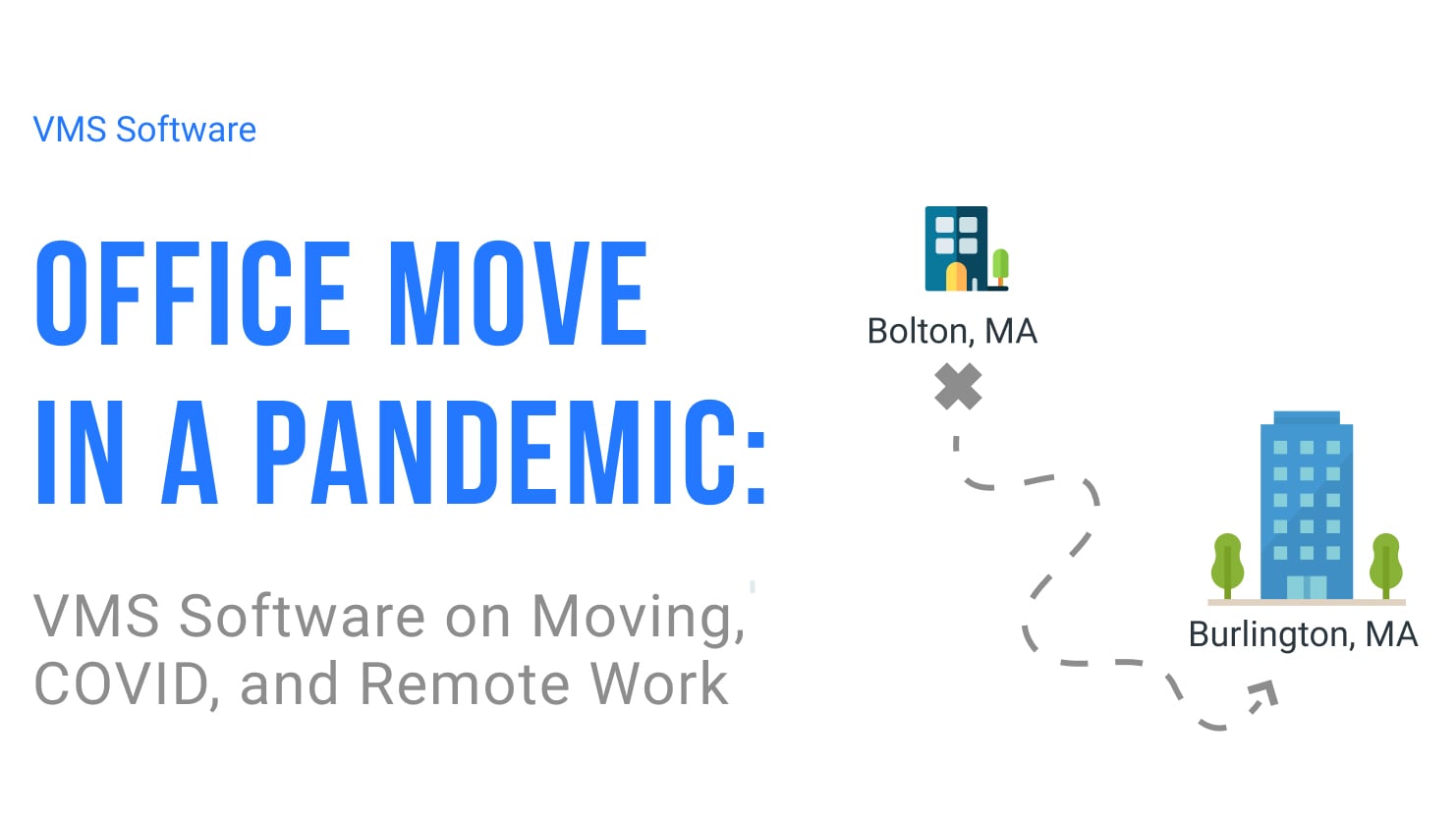
Managing Human Capital during a pandemic as the head of HR for global company has had its challenges. Initially my assumption was that the COVID-19 crisis was just going to be a temporary work inconvenience, however the company was faced with a decision to make quickly on securing new office space for our company.
Usability is probably the most difficult concept to define when talking about virtualisation and particularly OpenVMS and virtualisation.
OpenVMS applications have always been smart, right? Well yes OpenVMS applications have often been ahead of their time in terms of innovation and execution, but nowadays smart means something else.
For OpenVMS users, scalability has always equated with clustering and with a maximum supported 96 nodes in a cluster. “OpenVMS is the most scalable operating system on the planet” - is that still true today? Yes and no.
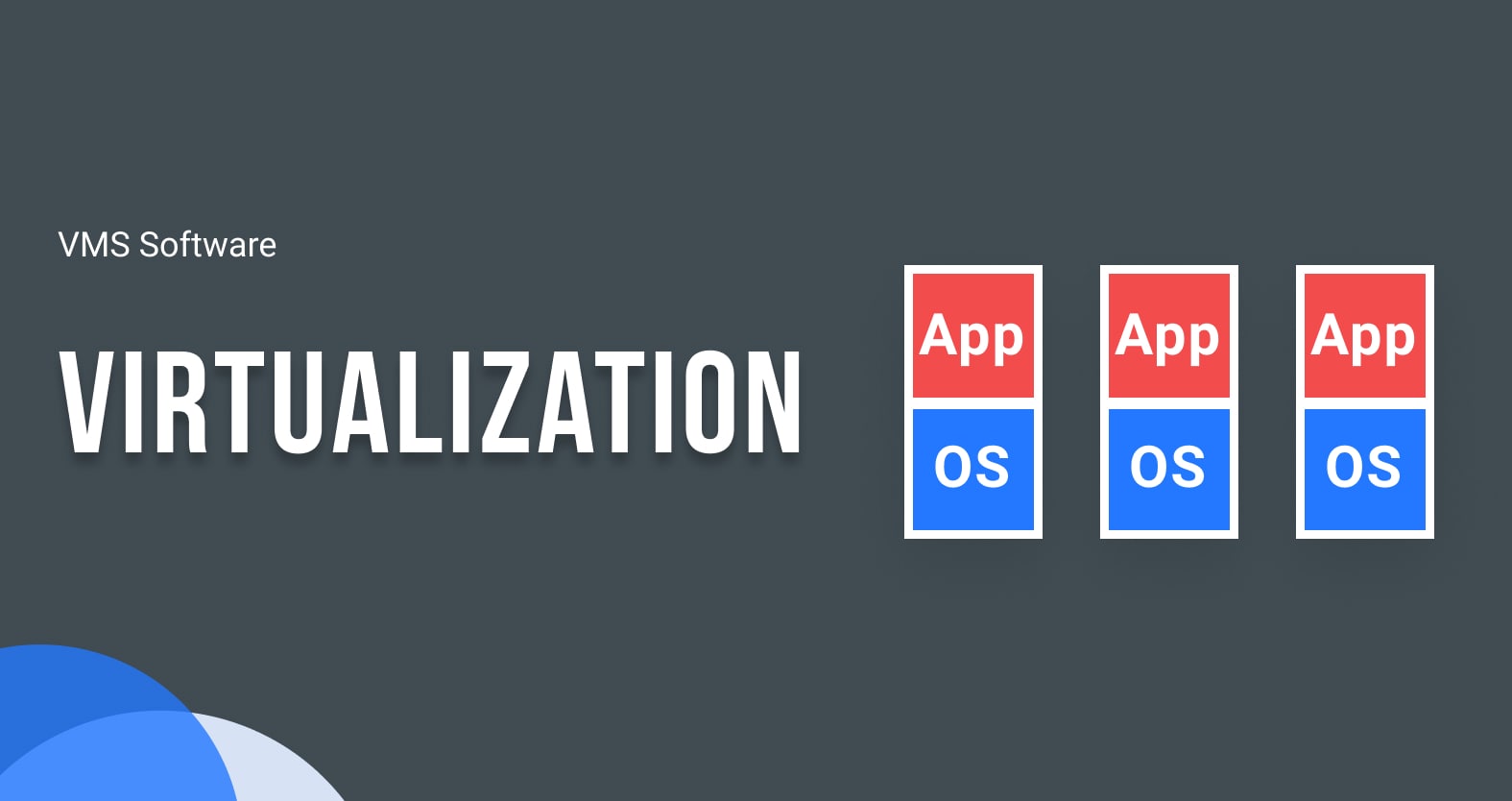
As a strategist I am noticing a number of themes emerging when I talk with customers about why they are moving their applications to a virtualised infrastructure (generally within a Cloud environment). These themes are Flexibility, Scalability, Smart capabilities, Usability and Cost; from an OpenVMS perspective I can also add lack of skilled resources and proprietary hardware.